
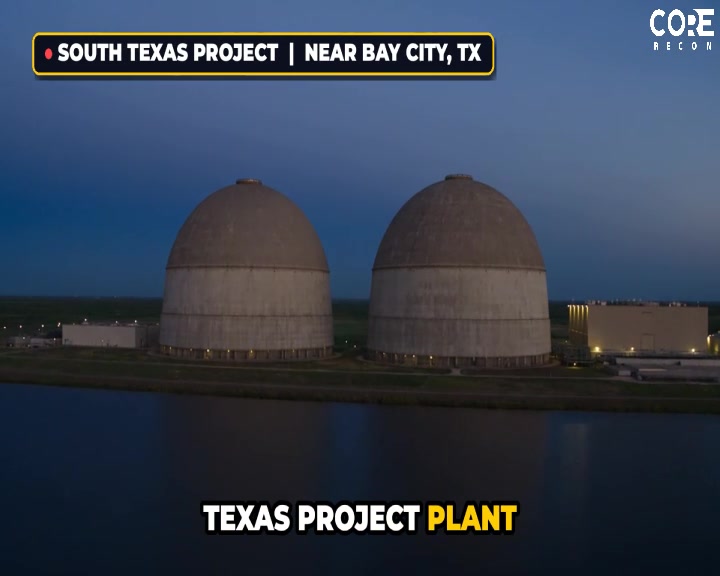
The company that runs the South Texas Project nuclear plant has reported a data breach involving nearly 1,200 Texans. The reactors are fine, but the stolen Social Security numbers are a different story. Here’s what we know, what we don’t, and what to do if you got the notice.
▶ Watch the 90-second CoreRecon breakdown of the South Texas Project data breach.
What happened at the South Texas Project?
STP Nuclear Operating Company, the nonprofit that operates the South Texas Project Electric Generating Station near Bay City in Matagorda County, reported a “data security incident” to the Texas Attorney General’s office. The filing, first reported by the San Antonio Express-News, shows that nearly 1,200 Texans had personal information involved.
This is a breach of people’s data, not a nuclear safety event. Nothing is melting down. But it is a reminder that even the most heavily secured facilities in Texas run on the same business systems, email and HR records as everyone else, and those systems are where attackers go looking for valuable data.
What data was involved?

According to the Attorney General’s posting, the breach involved:
- Names
- Social Security numbers
- Birthdates
- Other personal information
Put those three together and a criminal has almost everything needed to open credit cards, take out loans or file a fake tax return in someone else’s name. Unlike a password, you can’t change your Social Security number, so this data stays useful to criminals for years.
Is the reactor okay?
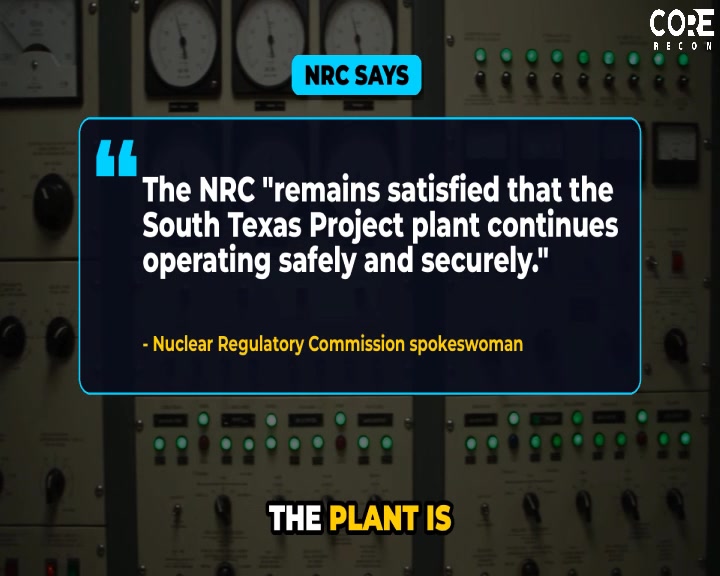
The notice didn’t say whether any operating or safety systems were affected. However, a Nuclear Regulatory Commission spokeswoman said the agency is satisfied that the plant continues to operate safely and securely under NRC requirements, and referred further questions to STP.
Nuclear plants keep their control and safety systems separated from business networks for exactly this reason. A breach of employee or personal records is serious for the people affected, but it is a different problem from an attack on the plant itself.
Who did it, and how?
We don’t know yet. STP and its three owners, CPS Energy, Austin Energy and Constellation, did not respond to questions about what happened, how they’re responding, or who was affected. Texas Cyber Command, the San Antonio-based state agency that critical infrastructure operators must report certain cyber incidents to, also didn’t respond to a request for comment.
That silence leaves the people affected in the dark. Until there’s more detail, the safest move is to assume the data is in criminal hands and act accordingly.
A plant that’s had a rough run
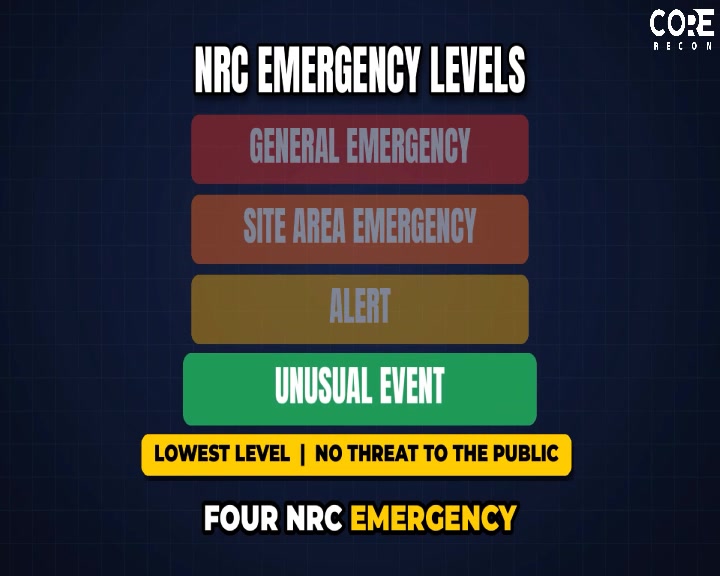
The bigger picture: Texas breaches are piling up
Under Texas law, any organization that suffers a breach affecting 250 or more Texans must report it to the Attorney General within 30 days of discovering it, and notify the people affected. The AG publishes those reports on a public list.

That list now holds 686 notices, and 573 of them were filed in 2026 alone. Notices drop off after a year unless the organization reports another breach. If a nuclear plant operator can end up on the list, so can a county office, a dental practice or a local manufacturer.
Got the email? Do this now

Freeze your credit
Freeze your credit for free at Equifax, Experian and TransUnion. No one can open new credit in your name while it’s frozen.
Watch your accounts
Check bank and card statements weekly and pull your free reports at AnnualCreditReport.com. Flag anything you don’t recognize right away.
Treat urgent messages as suspect
Any email, text or call pushing you to act fast about this breach should be verified first. Look up contact info yourself and never use the links in the message.
Lock down your taxes
Request an IRS Identity Protection PIN so no one else can file a tax return using your Social Security number.
Lessons for Texas critical infrastructure
Utilities, energy companies, water systems, local governments and healthcare providers are all targets, and the attack usually starts on the business side rather than the control room. Every organization should:
- Segment IT from operational systems so a breach of email or HR records can’t spread to critical operations.
- Protect employee and customer records with encryption, least-privilege access and multi-factor authentication.
- Test regularly with penetration tests and vulnerability assessments, before attackers find the gaps.
- Monitor 24/7 so intrusions are caught in hours, not weeks.
- Know your reporting rules, including the Texas AG’s 30-day deadline and reporting to Texas Cyber Command for critical infrastructure.
Protect your organization before it’s on the list
CoreRecon is a veteran-owned cybersecurity company with 24/7 SOC operations in Texas. We help energy, government, healthcare and business clients find and fix gaps before attackers do. No ticket queues: call and talk to an engineer right away.
Get a Free Security AssessmentGovernment & Infrastructure SecurityFrequently asked questions
Was the South Texas Project nuclear plant hacked?
STP Nuclear Operating Co. reported a data security incident involving personal information of nearly 1,200 Texans. The NRC says the plant continues to operate safely and securely. The notice didn’t say whether operating or safety systems were affected.
What information was exposed in the STP breach?
Names, Social Security numbers, birthdates and other personal information, according to the Texas Attorney General’s posting.
How do I know if the STP breach notice email is real?
Don’t click any links in the email. Contact STP Nuclear Operating Co. through a phone number or website you find yourself, and freeze your credit either way.
Who owns the South Texas Project?
CPS Energy, Austin Energy and Constellation South Texas LLC own the plant. They oversee the nonprofit STP Nuclear Operating Co. and appoint its board.
When do Texas organizations have to report a data breach?
Breaches affecting 250 or more Texans must be reported to the Texas Attorney General within 30 days of discovery, and affected people must be notified.
Stay alert. Stay safe. Treat every urgent message like it’s radioactive.