
A flaw in a Pentagon file-sharing system left the records of more than 3 million people open to unauthorized users for almost a year. If you’ve ever had a DoD ID card or military ties, here’s what happened and how to protect yourself.
▶ Watch the 90-second CoreRecon breakdown of the Pentagon DMDC data breach.
What happened at the Pentagon?
The Defense Manpower Data Center, part of the Department of Defense, confirmed a breach of its information system to Federal News Network on September 28, 2026. According to a notice sent to affected people, a security vulnerability in a file-sharing system exposed personal records to outside access.
The gap wasn’t closed quickly. Unauthorized users had access from October 2025 until July 2026. DMDC says it discovered the vulnerability on July 16, 2026 and patched it immediately. That means attackers potentially had the run of the system for close to nine months before anyone noticed.


Why DMDC matters

DMDC isn’t an obscure back office. It handles identity verification for every Defense Department ID card holder and keeps records on more than 60 million people: active-duty troops, veterans, current and former civilian employees, contractors and military family members. Data like this is valuable to identity thieves, and to foreign intelligence services that want to map out who serves where.
What data was exposed?
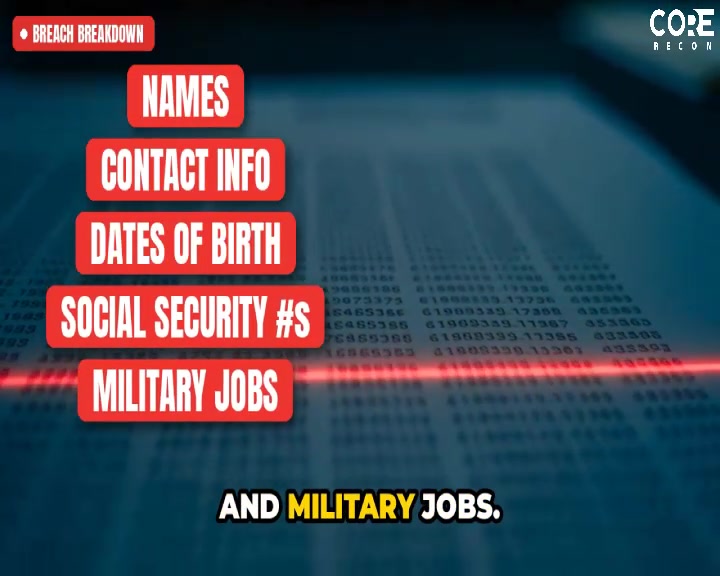
The information varies from person to person, but it includes:
- Names
- Contact information
- Dates of birth
- Social Security numbers
- Military jobs
- Other personnel records
Even the dead weren’t spared. About 294,000 of the affected records belong to deceased people. Criminals often use the identities of the deceased for fraud because no one is watching those accounts, so families of fallen service members and late veterans should take steps too.
The unencrypted problem


Here’s the part that should bother everyone: the data was unencrypted. With encryption, stolen files are unreadable without the key. Without it, anyone who got into that file-sharing system could read Social Security numbers in plain text.
When asked who got in, whether it was deliberate, whether a specific group of people was targeted, and why the data wasn’t encrypted, the Pentagon official declined to answer. The only description offered was a “small number of unauthorized users.”
Is the credit monitoring enough?
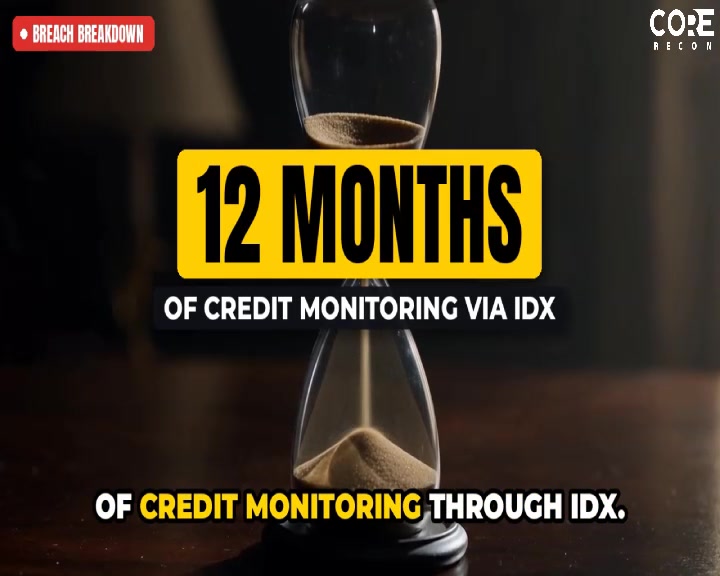
The Pentagon says there’s no indication anyone’s information has been misused, and DMDC is offering 12 months of credit monitoring through IDX, a breach response company. Sign up for it. But keep it in perspective: monitoring lasts a year, and a Social Security number lasts a lifetime. Monitoring also tells you about fraud after it happens. A credit freeze stops it before it starts.
If you have military ties, do this now


Freeze your credit
Place a free freeze at Equifax, Experian and TransUnion. It’s the strongest protection against new accounts being opened in your name.
Sign up for monitoring anyway
Enroll in the free IDX credit monitoring from your notice letter. Use the enrollment details in the letter itself, not links from emails or texts.
Add an active-duty fraud alert
If you’re on active duty, add an active-duty alert to your credit file. It requires lenders to take extra steps to verify your identity while you’re deployed.
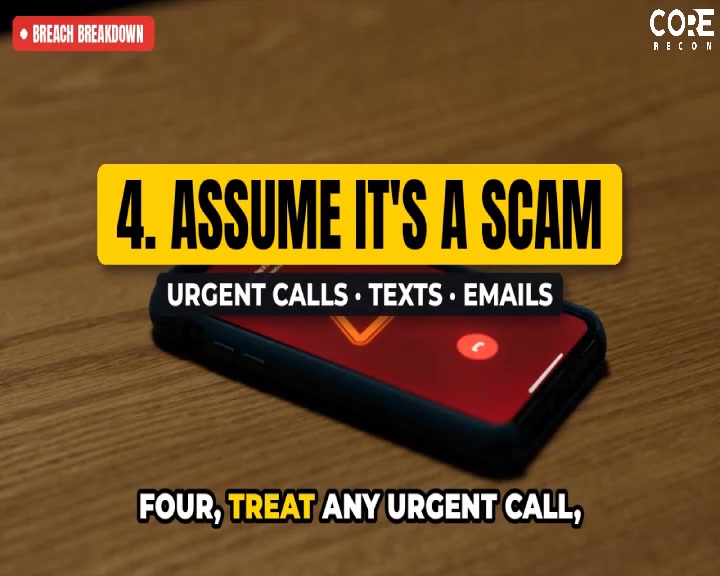
Assume it’s a scam
Treat any urgent call, text or email about your benefits, records or this breach as a scam until you’ve verified it yourself.
Also consider requesting an IRS Identity Protection PIN to block fraudulent tax returns, and if you’re handling the affairs of a deceased service member or veteran, ask the credit bureaus to flag the record as deceased.
Lessons for defense contractors and every organization
If the Department of Defense can leave millions of records unencrypted on a vulnerable file-sharing tool for nine months, smaller organizations should assume they have similar blind spots. Defense contractors working toward CMMC and NIST 800-171 compliance face the same requirements this breach exposed:
- Encrypt sensitive data at rest and in transit. It turns a data breach into a non-event.
- Patch and harden file-sharing tools. File-transfer platforms have been behind many of the largest breaches of recent years.
- Monitor continuously. Nine months of undetected access is a monitoring failure. 24/7 SOC coverage catches unusual access in hours.
- Test before attackers do with regular penetration tests and vulnerability assessments.
- Limit who can reach what with least-privilege access and multi-factor authentication.
Don’t wait nine months to find out
CoreRecon is a Service-Disabled Veteran-Owned Small Business with 24/7 SOC operations in Texas. We help defense contractors, government agencies and businesses find vulnerabilities, meet CMMC and NIST requirements, and catch intruders fast. No ticket queues: call and talk to an engineer right away.
Get a Free Security AssessmentCMMC Compliance ServicesFrequently asked questions
What was the Pentagon DMDC data breach?
A vulnerability in a Defense Manpower Data Center file-sharing system gave a small number of unauthorized users access to personal records from October 2025 to July 2026. More than 3 million people were affected.
Who is affected by the DMDC breach?
About 2.8 million living people and 294,000 deceased people. DMDC holds records on troops, veterans, civilian employees, contractors and military families. Affected people are receiving notice letters.
What information was exposed?
Unencrypted names, contact information, dates of birth, Social Security numbers, military jobs and other records. The exact data varies by person.
Is credit monitoring being offered?
Yes. DMDC is offering 12 months of credit monitoring through IDX. Enroll using the details in your notice letter, and freeze your credit as well.
Has the stolen data been misused?
A Pentagon official said there is no indication so far that anyone’s information has been misused. The official did not say who accessed the data or why.
Stay alert. Stay safe. Freeze your credit today.